Installing a Skylight: Step-by-Step Tips for Homeowners
Skylight installation serves as a practical approach to boosting both natural light and ventilation throughout a home. Homeowners often underestimate the complexity of the process. Choosing the appropriate skylight style and taking accurate measurements are critical initial steps. When equipped with the correct tools and supplies, the installation process can go forward seamlessly. Yet, frequent mistakes can occur, resulting in unwanted complications. Gaining insight into these elements can prove decisive in completing a successful installation. Continue reading to explore what this comprehensive guide covers next?
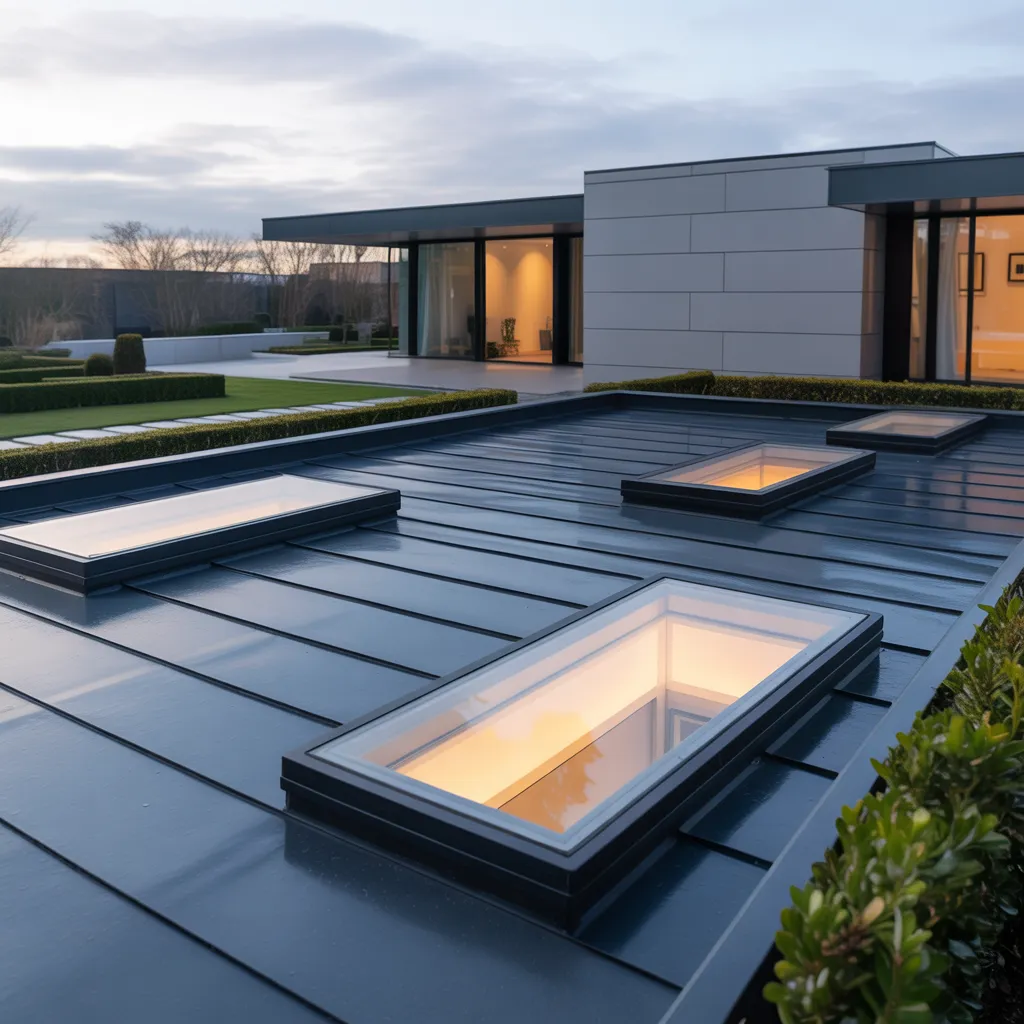
What You Need to Know About Skylights: Why They Make a Difference for Your Home
Skylights function as portals to the sky, filling homes with natural light and enhancing overall ambiance. These architectural features not only light up interiors but also establish a sense of openness that enhances the overall design. By incorporating skylights, homeowners can minimize the need for artificial lighting, contributing to potential energy savings. The presence of natural light can favorably influence mood and well-being, making spaces feel more inviting and cheerful.
Additionally, skylights can enhance air circulation, enabling warm air to dissipate while inviting fresh cool breezes in. This natural airflow contributes to a more comfortable indoor climate, most notably during the summer months. Furthermore, carefully positioned skylights can illuminate particular spaces, including fine art or distinctive architectural accents, adding an aesthetic value to the home. In summary, grasping the merits of skylights allows homeowners to acknowledge their impact on a well-rounded home environment, blending functionality with beauty.
Selecting the Perfect Skylight for Your Home
Selecting the best skylight for a property involves multiple important factors. Examining skylight types, thermal efficiency aspects, and design features can help homeowners reach knowledgeable determinations. Every element is essential in improving both usability and aesthetic value.
Skylight Types Overview
When thinking about a skylight for a home, understanding the various types available is important for making a well-informed decision. Skylights commonly come in three categories: fixed, vented, and tubular. Fixed skylights are inoperable and are designed to add light and aesthetics. Vented skylights can be operated to welcome fresh air and promote better air circulation, making them ideal for rooms like kitchens and bathrooms. Tubular skylights, often called sun tunnels, are suited to smaller spaces and funnel sunlight along reflective tubes, delivering daylight where larger skylights cannot fit. Each type has unique advantages, and homeowners should assess their individual get details on this requirements and the planned installation area to choose the most suitable option for their home.
Energy Efficiency Aspects
A careful assessment of energy effectiveness is essential for homeowners looking into skylight installation. Choosing the ideal skylight involves understanding factors such as glazing options, frame materials, and Energy Star ratings. Dual or triple-glazed panels with low-emissivity coatings reduce heat transfer, boosting insulation and cutting energy expenses. Homeowners are encouraged to also examine the orientation and placement of the skylight to maximize natural light while minimizing heat gain in warmer months. Operable skylights can enhance airflow and decrease dependence on air conditioning. Furthermore, selecting energy-efficient models may make homeowners eligible for potential rebates or incentives, further improving the long-term value of the installation. In summary, well-informed choices regarding energy efficiency significantly enhance the overall benefits of skylight installation.
Design Aesthetic Factors
The aesthetic influence of skylights can considerably elevate a home's interior and exterior aesthetics. When choosing a skylight, homeowners should evaluate factors such as scale, configuration, and aesthetic to maintain consistency with existing architectural elements. For instance, bigger skylights can generate a bold visual statement, while smaller options may complement cozy spaces. The glazing selection also plays a vital role; clear glass can maximize natural light, whereas treated or textured glass delivers discretion. Additionally, frame materials, such as wood or metal, should align with the home's overall design scheme. Ultimately, the right skylight not only elevates a room's ambiance but also benefits the residence's overall visual impression, making thoughtful decisions critical for design consistency.
Necessary Tools and Materials for Installing a Skylight
Effective skylight installation necessitates a particular collection of instruments and resources to provide a reliable and streamlined experience. Vital tools include a tape measure for precise dimensions, a level to ascertain proper alignment, and a utility knife to make clean incisions. A drill is essential for making guide holes, while a hammer and roofing nails secure the skylight frame. Safety gear, such as gloves and goggles, is equally important for guarding against possible dangers.
The materials required for installation include the skylight unit, leak-preventing flashing, and waterproofing sealant. Additionally, a sturdy ladder is important for accessing the installation site safely. The roofing material in use may also call for shingles or underlayment. Collecting these tools and materials in advance will simplify the installation process, preventing delays and ensuring a successful result.
Complete Step-by-Step Instructions for Installing Your Skylight
Commence by identifying the ideal location for the skylight, ensuring it supports the structural stability of the roof and optimizes daylight. Following this, determine the dimensions of the chosen skylight and trace the outline on the roof. Precisely penetrate the roof surface, making sure to steer clear of any underlying structures.
After the opening has been made, use 2x4s to frame the skylight to offer the necessary stability and reinforcement. Install a flashing kit around the opening to avoid water infiltration, verifying that it extends over the surrounding roofing materials.
Place the skylight into the prepared frame, securing it in accordance with the manufacturer's guidelines. Close all gaps with appropriate caulk to ensure waterproofing.
Finally, replace the roofing materials surrounding the skylight, guaranteeing a tight seal. Inside the home, finalize the drywall and trim as required, finalizing the entire installation while allowing pour into the room.
Fixing Typical Skylight Installation Concerns
During skylight installation, several common issues can arise that may compromise the integrity of the installation. Installation leaks, inadequate sealing methods, and misplaced flashing are common issues that may result in serious complications when left unresolved. Being able to diagnose and address these concerns is vital to ensuring a successful skylight installation.
Leakage During Installation
Addressing leaks during skylight installation is essential for ensuring a watertight seal and preventing future damage. Homeowners ought to begin by examining the flashing and underlayment for any gaps or misalignments that may result in water intrusion. Proper alignment of the skylight within the roof opening is critical; any tilt can exacerbate leaks. Throughout the installation process, applying premium sealants and flashing materials is advised to deliver an additional layer of defense against moisture. Moreover, looking for any debris or obstructions that might restrict drainage around the skylight is highly recommended. Consistent assessments after installation can aid in uncovering potential concerns before they develop further, maintaining the long-term stability of the skylight and the surrounding roofing structure.
Faulty Sealing Practices
Leaks during installation frequently result from faulty sealing practices, which makes it important to identify typical errors. A common error involves failing to apply an adequate amount of sealant, potentially creating spaces that enable moisture penetration. Homeowners should also verify that the sealant works well with both the skylight material and the roofing surface. Additionally, neglecting to smooth and evenly distribute the sealant can result in weak points that compromise the installation. In some cases, using the wrong type of sealant, like standard caulk rather than a flexible roofing sealant, can exacerbate problems. Through awareness of these concerns, homeowners can adopt effective strategies to ensure a completely sealed installation, effectively increasing the longevity of the skylight while avoiding expensive repair work.
Incorrect Flashing Placement
Securing correct placement of flashing is essential for a successful skylight installation. Incorrect flashing can lead to significant water leaks and structural deterioration, jeopardizing the complete installation effort. It is critical that the flashing properly overlaps with the roofing material to form a watertight seal. Homeowners must ensure that the flashing is installed according to the manufacturer's instructions and that it integrates seamlessly with existing roof features. Typical oversights consist of poor alignment, inadequate sealing at joints, and overlooking the use of proper materials. Routine checks subsequent to installation can aid in spotting underlying concerns at an early stage. Addressing these flashing concerns promptly can save homeowners from significant repair costs and secure the long-term performance of their skylight. Diligent focus on flashing will contribute to a robust and reliable skylight setup.
Skylight Maintenance Tips for Longevity
Regular upkeep is crucial for extending the life of a skylight. Homeowners are advised to routinely examine the skylight for indicators of deterioration, including cracks or discoloration in the glass. Washing the skylight a minimum of twice annually aids in avoiding dirt accumulation that can block light and affect its appearance. A light soap solution paired with a soft cloth is all that is needed to complete this job.
Examining the flashing and weatherproofing is essential to avoid leaks. Property owners should verify that these sections are in good condition and debris-free. If problems are identified, addressing repairs quickly can avoid costly water damage.
Moreover, pruning overhanging branches can reduce unwanted debris and decrease the risk of damage during severe weather. As a final tip, seek out inspections by professionals every several years to guarantee that the skylight stays in optimal condition. By implementing these suggestions, homeowners can enjoy the benefits of their skylight features for years ahead.

Common Questions and Answers
Is It Possible to Install a Skylight Myself, or Should I Seek a Professional?
Deciding whether to install a skylight yourself or engage a professional depends on the individual's skill level and experience. If uncertain, consulting a professional may guarantee proper installation and avoid potential structural issues.
When Is the Ideal Time of Year for Skylight Installation?
The ideal time for skylight installation is in spring or early fall. These times of year generally provide moderate weather conditions, minimizing the chances of rain or snow, and enabling ideal working conditions and effective sealing of the skylight.
How Much Does Skylight Installation Typically Cost?
Skylight installation typically costs between $1,000 and $3,000, depending on factors such as size, material, and installation complexity. Homeowners need to account for additional expenses for permits and potential roofing repairs when planning their budget.
Will Adding a Skylight Have an Effect on My Home's Energy Efficiency?
Adding a skylight can boost a home's energy efficiency by permitting natural light to decrease the need for artificial lighting. That said, poor installation or inadequate insulation may result in greater heat loss or gain, compromising the home's overall efficiency.
What Permits Are Required for Skylight Installation?
Building permits at the local level are generally necessary for skylight installation. Homeowners must check with their municipality to determine the applicable regulations, including structural assessments and zoning laws, to comply with safety and energy efficiency standards.